
What to Expect from Your First Tattoo: A Beginner's Guide
Getting your first tattoo is a big moment. For many people it is something they have thought about for months or even years, and when the day finally comes, the mixture of excitement and nerves is completely normal. Whether you are planning a small piece on your wrist or a more ambitious design on your back, knowing what to expect at every stage of the process makes the whole experience far less daunting.
At Camden Locks Alternative, we have been tattooing clients in Camden for over 25 years. We have guided thousands of first-timers through the process and we know exactly what questions and worries tend to come up. This guide covers everything: from choosing your design to caring for your tattoo once it is healed.
Choosing Your First Tattoo Design
The design you choose will be on your skin permanently, so it is worth taking the time to get it right. There is no wrong answer, but there are a few things worth thinking through before you walk into a studio.
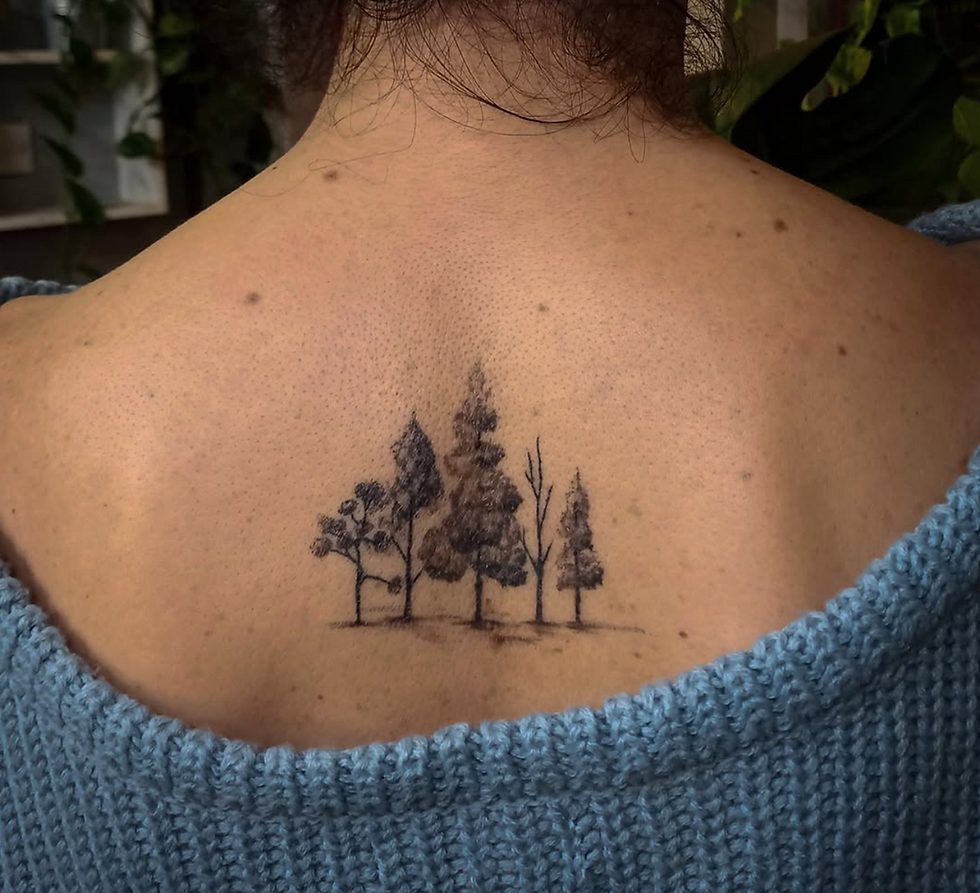
Start by thinking about the style you are drawn to. Tattoo styles vary enormously. Fine line work produces delicate, intricate results that suit geometric shapes, botanical designs, and script. Black and grey tattooing creates depth and realism without colour. Traditional tattoos use bold outlines and solid fills that age particularly well. Japanese tattooing has its own rich visual language built around motifs like waves, koi, and cherry blossom. If you are not sure which style suits you, browse your artist's portfolio before your consultation.
Placement matters just as much as the design itself. Some areas of the body are more visible, more painful, or more prone to fading over time. Your artist can advise on what works best for the design you have in mind and where it will look strongest on your body.
One practical note: avoid choosing something purely because it is trending. Trends move on. The designs that hold up best over time tend to be the ones with personal meaning or strong composition.
How to Book Your First Tattoo Appointment
Most reputable tattoo studios offer two options: booking an appointment or walking in. For a first tattoo, booking is almost always the better choice. It gives you time to discuss your design in detail, ensures you get the right artist for your style, and removes the uncertainty of not knowing how long the wait will be.
At Camden Locks Alternative, you can book online with a small deposit or walk in on the day if you prefer. For smaller designs, our artists can often fit walk-ins between appointments. For larger or more complex custom pieces, a consultation appointment is the best starting point.
During a consultation you will talk through your idea, look at reference images, and your artist will advise on sizing, placement, and any adjustments that will make the design work better as a tattoo. There is no obligation and no pressure. The consultation is simply about getting everything right before any ink touches skin.
How to Prepare for Your Tattoo Session in London
A little preparation goes a long way. The condition you are in on the day of your appointment directly affects how well your session goes and how well your tattoo heals.
In the days before your appointment:
Keep the area you are getting tattooed moisturised. Healthy skin takes ink better.
Avoid sunburn. Tattooing over burnt or peeling skin is painful and produces poor results.
Avoid alcohol for at least 24 hours before your session. Alcohol thins the blood and can cause excessive bleeding, which makes the artist's job harder and the result worse.
Get a good night's sleep. You will handle the session better when you are rested.
On the day itself:
Eat a proper meal before you arrive. Low blood sugar during a tattoo session can make you feel faint or dizzy.
Wear clothing that allows easy access to the area being tattooed and that you do not mind potentially getting ink on.
Bring a valid photo ID. Studios are legally required to confirm you are over 18 before tattooing.
Bring water and a snack, especially for longer sessions.
What Happens When You Arrive at the Studio
Walking into a tattoo studio for the first time can feel intimidating, but a good studio will put you at ease quickly. Here is what typically happens:
You will be greeted and asked to fill in a consent form. This is standard procedure at any licensed studio and covers your health history, confirms your age, and outlines the aftercare agreement. It takes a few minutes and is nothing to worry about.
Your artist will then prepare the stencil. This is a transfer of your design that gets applied to your skin before the needle touches it. You will be able to see exactly where the tattoo will sit, how large it will be, and check the placement before any permanent work begins. If anything needs adjusting, say so. Repositioning a stencil takes a couple of minutes. Regretting the placement lasts a lifetime.
Once you are happy with the stencil, the artist will clean the area, set up their equipment, and begin. The actual tattooing process involves a needle moving rapidly to deposit ink just below the surface of the skin. The sensation is often described as a scratching or burning feeling, not unlike a cat scratch running repeatedly over the same area.

How Much Does a First Tattoo Hurt
Pain tolerance varies hugely between individuals, so the honest answer is: it depends. Most people find the experience more manageable than they expected. The areas that tend to hurt most are those with thin skin, close to bone, or with a high concentration of nerve endings. Ribs, spine, feet, hands, and the inner elbow are commonly cited as more intense. Outer arms, thighs, and shoulders are generally considered more comfortable.
For a first tattoo, choosing a placement that is not in the most sensitive areas is sensible. You can always go for more challenging spots once you know how your body responds.
What most people notice is that the sensation changes over a longer session. The first pass of the needle is often the sharpest. After some time, the area becomes somewhat numb. Many clients describe getting into a rhythm with it. Breathing steadily, staying relaxed, and keeping your body still all help.
How Long Does a Tattoo Session Take
Session length depends almost entirely on the size and complexity of your design. A small, simple piece might take 30 minutes. A detailed sleeve or large back piece can take multiple sessions of several hours each.
For a first tattoo, something that can be completed in a single session of one to three hours is usually a comfortable starting point. It gives you enough time to settle into the experience without pushing your endurance too far.
Your artist will give you a realistic time estimate before you start. Larger custom pieces are usually discussed in terms of sessions rather than hours, and you can plan multiple visits once you know how the first one goes.
Tattoo Aftercare: How to Look After Your New Ink
How you care for your tattoo in the days and weeks after your session has a direct impact on how it looks once healed. A well-executed tattoo can be undermined by poor aftercare. The good news is that it is straightforward.
The first 24 to 48 hours:
Your artist will cover the tattoo with a wrap or protective film. Leave this on for the time they advise, typically two to four hours or longer if they use a specialist breathable wrap.
Once uncovered, wash the tattoo gently with clean hands using mild, fragrance-free soap and lukewarm water. Pat dry with a clean paper towel.
Apply a thin layer of unscented moisturiser or specialist tattoo balm two to three times a day.
During the healing period (typically two to four weeks):
Avoid submerging the tattoo in water. Showers are fine but stay out of swimming pools, baths, and the sea.
Keep it out of direct sunlight. UV exposure fades new tattoos rapidly.
Do not pick or scratch the skin as it peels. Peeling is normal. Picking pulls out ink.
Wear loose clothing over the tattooed area to avoid friction.
If you notice signs of infection such as increasing redness, swelling, heat, or discharge after the first few days, speak to your artist or consult a healthcare professional.
What to Look for in a Tattoo Studio
Choosing the right studio is at least as important as choosing the right design. The tattooing process involves breaking the skin, which means hygiene and professionalism are not optional.
A reputable studio will be fully licensed by the local authority, use single-use needles opened in front of you, autoclave all reusable equipment, and have artists who are happy to answer your questions before you commit. If anything about the setup makes you uncomfortable, trust your instincts.
Look at the portfolio of the specific artist you are considering. Tattoo studios are not monolithic. One artist in a studio may specialise in fine line work while another focuses on bold Japanese pieces. Matching your design to an artist who genuinely does that style well makes a significant difference to the outcome.
Online reviews are useful, but read them with some nuance. Look for consistent themes rather than isolated comments. A studio with 150 reviews averaging 4.3 stars, where the complaints cluster around wait times rather than quality, tells a different story than one where quality concerns appear repeatedly.

Common First Tattoo Questions Answered
Can I get a tattoo if I have dark skin?
Yes, and the results can be outstanding. Not every artist has experience tattooing across the full range of skin tones, however. At Camden Locks Alternative, our artist Brandon has over 25 years of experience and a specialism in working on darker pigmentations. Choosing an artist with genuine expertise in your skin tone is the most important factor.
What is the minimum age for a tattoo?
In the UK, the legal minimum age is 18. Parental consent is not a legal workaround. Any studio that tattoos someone under 18 with or without parental consent is operating illegally. You will be asked for valid photo ID proving your age.
Can I get a tattoo if I am pregnant or breastfeeding?
Most studios, including ours, will not tattoo clients who are pregnant. While the risk from the ink itself is not definitively established, the infection risk from an open wound is a factor, and the skin changes during pregnancy can affect how the tattoo heals and looks. If you are breastfeeding, the advice varies and is worth discussing with your healthcare provider before booking.
What if I want to remove a tattoo in the future?
Laser tattoo removal is effective and increasingly accessible. Pico laser technology, which we offer at Camden Locks Alternative, breaks down ink particles more efficiently than older Q-switched lasers, meaning fewer sessions and better clearance. Most tattoos require between six and twelve sessions for significant fading or full removal depending on the ink colours, depth, and your skin type.
Ready for Your First Tattoo in Camden? Book Today
Getting your first tattoo should be an experience you look back on with pride. The right studio makes all the difference: experienced artists, a welcoming atmosphere, strict hygiene standards, and honest advice from the first conversation to the final session.
Camden Locks Alternative has been doing this in Camden Town since 1999. Our team has the skills, the experience, and the patience to make your first tattoo exactly what you want it to be. Whether you have a clear vision or just a rough idea, we will help you turn it into something you will be proud to wear.
Walk-ins are welcome daily at our studio at 11 Chalk Farm Road, London NW1 8AG. Or book your appointment online today and take the first step.
Contact us via WhatsApp on 07778 777202 or book online at camdenlocks.com.


Comments